
Shimla or Manali? It is the question we hear most from people planning their first Himachal trip. Both are famous hill stations. Both have pine forests, cool air, and big mountain views. But the two trips feel very different.
In this guide, we compare Shimla vs Manali in simple words, so you can pick the right one quickly. If you already have travel dates in mind, you can also explore our Himachal tour packages and plan from there. By the end, you will know which place fits your budget, your season, and your travel style.
Quick Answer -: Pick Shimla if you want an easy trip, colonial charm, walkable streets, and a lower budget. It works well for 3 to 4 nights, first-time mountain travelers, and families with small kids or seniors.
Pick Manali if you want snow, dramatic scenery, and adventure like paragliding. It works best for 4 to 5 nights or more, and for honeymooners and teens.
Pick both if you have 6 to 7 nights and do not want to rush.
Shimla vs Manali at a Glance
| Shimla | Manali | |
| Altitude | About 2,200 m | About 2,050 m |
| Distance from Delhi | About 340-370 km | About 530-570 km |
| Road time from Delhi | 8-10 hours | 12-14 hours |
| Vibe | Colonial charm, relaxed | Adventure, dramatic scenery |
| Snowfall | Light to moderate | Heavier, more reliable |
| Best for | Short trips, families, seniors | Adventure, honeymoons, teens |
| Budget | Usually lower | Usually higher |
| Ideal stay | 3-4 nights | 4-5 nights |
Which Is Easier way to Reach from Delhi and Chandigarh?
Shimla is easier to reach. It is closer to Delhi, and the road is shorter. Manali is a longer trip, so plan for a full travel day.
From Delhi, Shimla takes about 8 to 10 hours by road. Manali takes about 12 to 14 hours, and many people take an overnight Volvo bus to save daytime.
From Chandigarh, Shimla is about 3 to 4 hours away. Manali is roughly 8 to 10 hours. Chandigarh is also the smartest airport for both places, because flights into Shimla and Kullu-Manali are limited. Travelers from Hyderabad, Mumbai, or Bengaluru usually fly into Delhi or Chandigarh first, then continue by road.
Shimla also has a special option: the Kalka to Shimla toy train. It is a UNESCO-listed ride of about 96 km and takes around 5 to 6 hours. Some people love it, and some find it slow. Try it one way if you are curious.
Scenery and Feel: Old Buildings or Mountains?
Shimla was the summer capital of British India, and you can still feel it. You will see old stone buildings, Christ Church, and long walks along the Ridge and Mall Road. It is calm, classic, and easy to enjoy at a slow pace. That is the colonial charm people love.
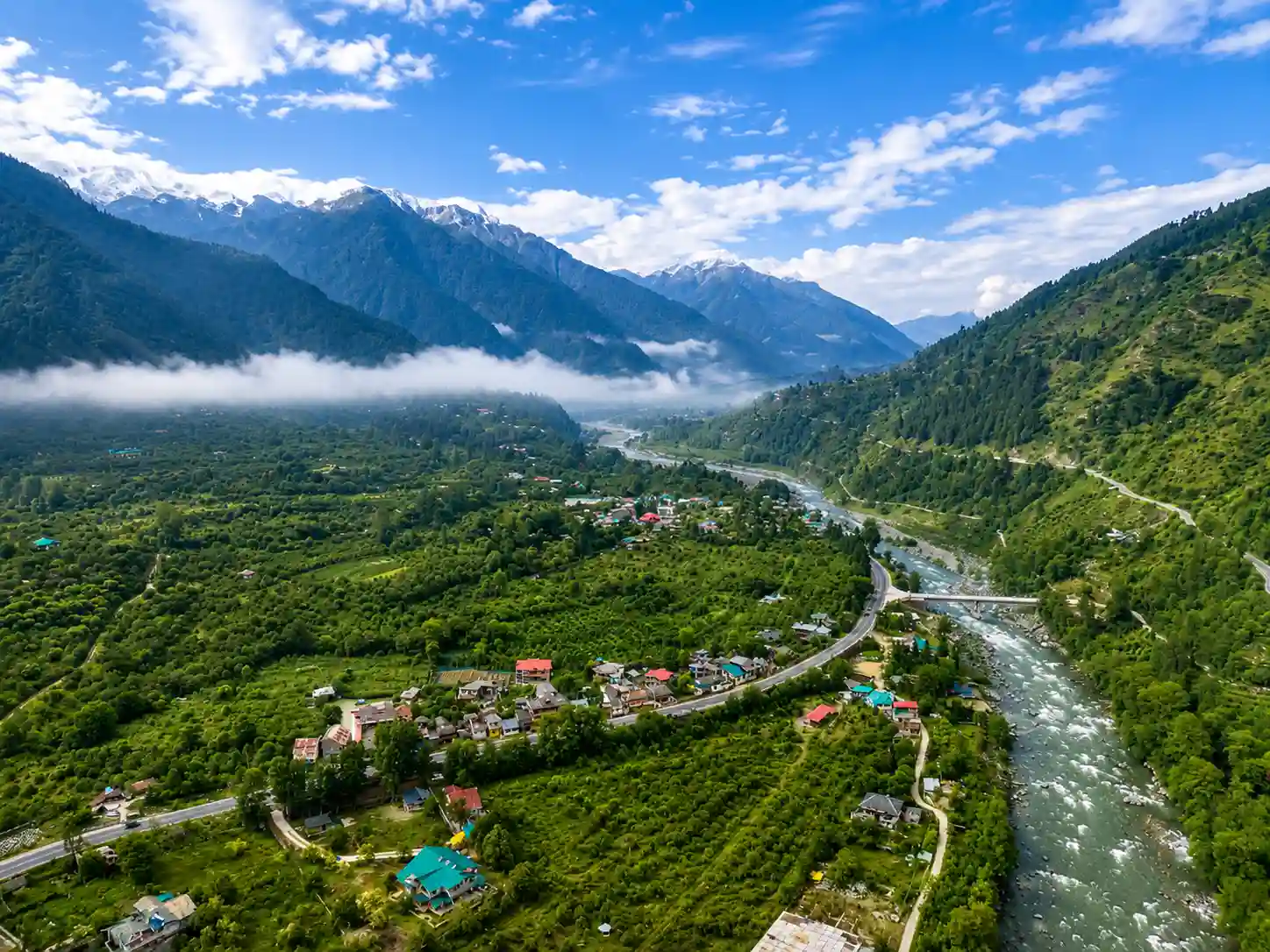
Manali feels wilder. The Beas River runs through the town, pine and deodar forests surround you, and snow peaks show up in the background. Old Manali adds cozy cafes and a laid-back mood. If you want dramatic scenery, Manali usually wins.
The honest answer is that neither is better. Shimla is for people who want to relax and stroll. Manali is for people who want the mountains to feel big. In both places, the markets get crowded, so try to stay a little away from the busiest streets.
Local Sightseeing: What You Will Do in Each Place
In Shimla, most sights are close together. Walk the Ridge and Mall Road, visit Christ Church, and go up to Jakhu Temple for wide views. Add a half-day trip to Kufri for a nature park and, in winter, a chance of snow. Viceregal Lodge is a great stop for history lovers.
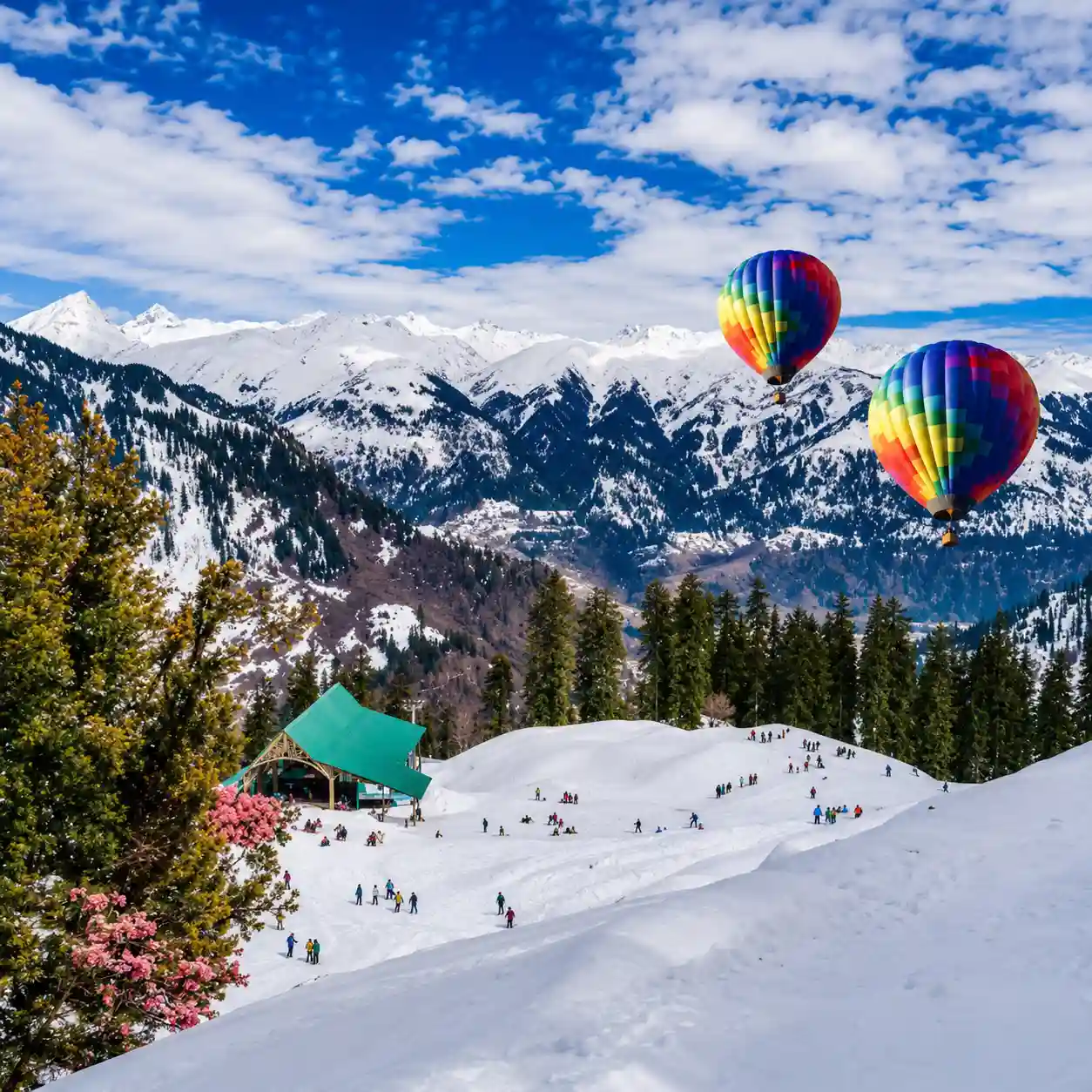
In Manali, sights are more spread out, so you will use a cab. Visit Hadimba Temple in its cedar forest, then relax by the Beas River or in the cafes of Old Manali. Spend a full day at Solang Valley for paragliding, zorbing, and snow play in winter. Then drive through the Atal Tunnel to Sissu for open, quiet scenery. Adventure activities are Manali's biggest strength. If you want them planned without stress, our Shimla and Manali tour packages can put stays, cabs, and activities in one plan.
Best Time to Visit:Snowfall, Monsoon, and Crowds
Snowfall (December to February): Manali gets heavier, more reliable snow from December to February. Shimla gets snow too, but it is usually lighter and shows up mostly around Kufri and higher spots. Nobody can promise snow on a fixed date, so stay flexible.
Spring and summer (March to June): Both places are pleasant. This is peak season, so expect crowds and higher hotel prices, especially in May and June.
Monsoon (July to August): Everything turns green and misty, but landslides can block roads in both places. Keep one buffer day in your plan. Since mountain weather changes quickly, it is always a good idea to check the latest local weather warnings on the (Indian Meteorological Department website) before your day trip.
Autumn (September to November): You get clear skies, smaller crowds, and better prices. September to mid-October is a sweet spot for both.
So the best time for Shimla vs Manali depends on what you want. Snow lovers should go in winter. Everyone else will enjoy the shoulder months.
for a Honeymoon
For a honeymoon, both work well. Shimla feels quiet and old-world, with slow walks, warm cafes, and sunset views from the Ridge. Manali feels more romantic in a movie-like way, with snow peaks, the sound of the river, and riverside stays.
Manali suits couples who want adventure and dramatic photos. Shimla suits couples with less time who want zero stress. Either way, choose a stay away from the noisy market for more privacy. If you want a romantic trip planned end to end, look at our honeymoon travel packages.
Shimla or Manali for a Family Trip
Shimla is usually better for toddlers, seniors, and short holidays. The drive is shorter, the sights are close together, and you can rest between outings. Manali is better for school-age kids and teens who want snow, activities, and more variety. It needs a longer drive and about one extra night.
Whichever you pick, ask every hotel how far the car stops from your room. Many hill hotels sit on steep lanes with stairs. That matters more than the town itself for families and groups with older members. If you want help matching the trip to your group, our family holiday packages can be planned around your youngest and oldest traveler.
Where to Stay in Shimla and Manali
Your hotel can make or break the trip.
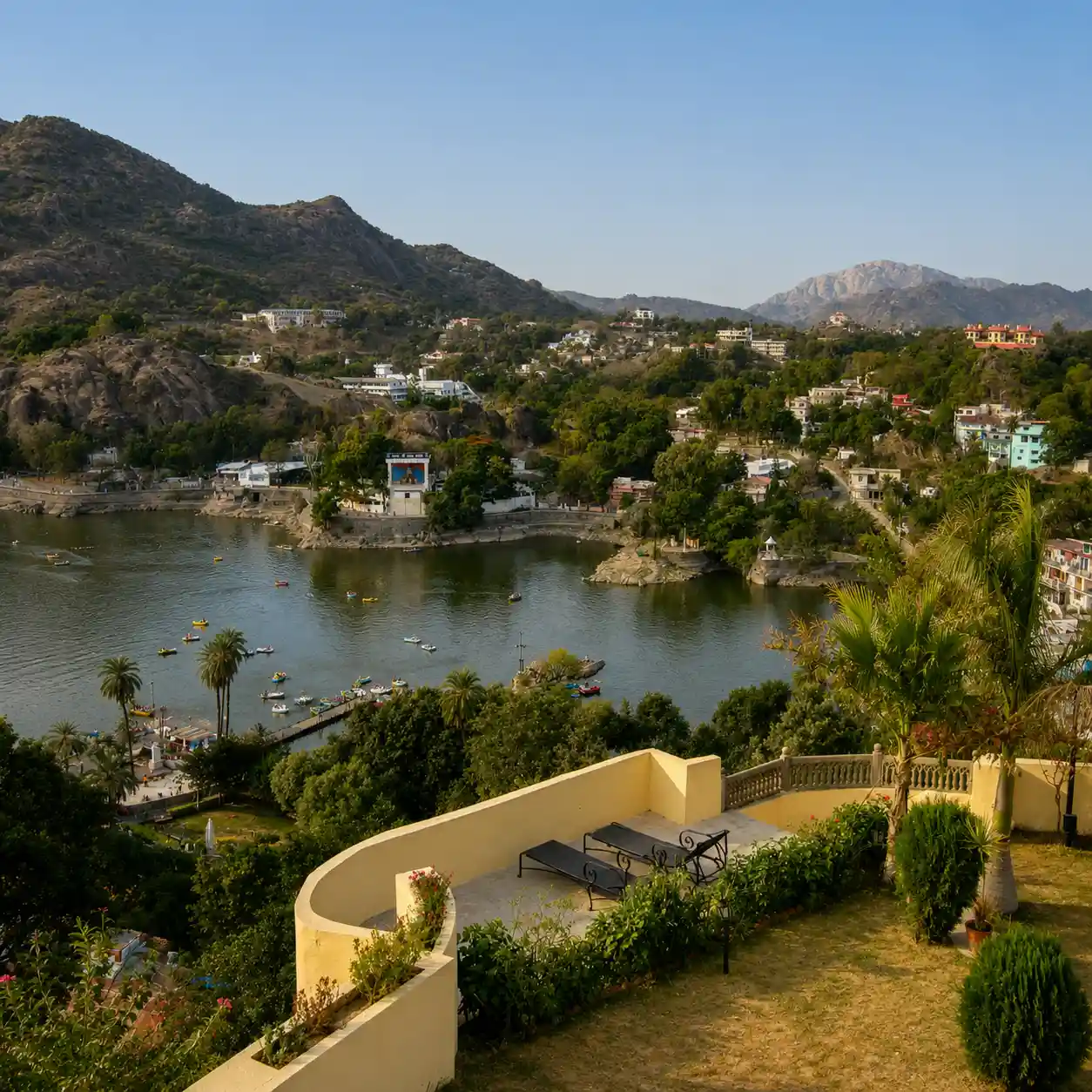
In Shimla, staying near Mall Road saves time, since you can walk to the Ridge, cafes, and shops. But weekends get loud and crowded. A stay 10 to 15 minutes away, with a valley view, is calmer and often better value.
In Manali, Old Manali and the area near the Beas River suit couples and cafe lovers. Quieter areas above the main town give more privacy and mountain views. Stays right on the busy market road are noisy in peak season.
If comfort matters most, look for easy car access, heating in winter, and simple routes with few stairs. Private villas and 5-star stays exist in both places, and they book out early in peak months.
Shimla vs Manali Cost
Shimla usually costs less. The road is shorter, hotels are slightly cheaper, and many sights are free. Manali costs more because of longer travel, extra cab hours, and paid activities.
As a rough guide, budget travelers may spend about ₹2,500 to ₹6,000 per day in Shimla and about ₹3,000 to ₹7,000 in Manali. That covers a hotel, food, and local travel. Luxury stays cost much more in both places.
Plan for a few extras too: paragliding, ropeway rides, and snow gear rentals in Manali, permit fees for Rohtang Pass, and higher rates in peak season. Package prices are usually quoted per person, so always check what is included. Prices change by month and hotel type, so treat these numbers as estimates and ask for a live quote.
Final Verdict: Choose Shimla or Choose Manali
- Choose Shimla if you have 3 to 4 nights, want an easy trip, love walks and cafes, or travel with small kids or seniors.
- Choose Manali if you have 4 to 5 nights or more, want snow, adventure, and big mountain views, and do not mind a longer drive.
- Choose both if you have 6 to 7 nights. The road between them is about 240 km and takes 7 to 8 hours. A common combined trip starts in Shimla and ends in Manali. Skip the rushed 4-day version, because you will spend most of it in the car.
Practical Tips Before You Book
- Book hotels early for May, June, and December.
- Check road and weather updates before heading to Rohtang, the Atal Tunnel, or Sissu.
- Pack warm layers, even in summer, because evenings turn cool.
- Take day one easy. If anyone has health concerns, ask a doctor before high-altitude day trips.
- Keep one spare day in monsoon and winter.
Conclusion
Shimla and Manali are both wonderful, just in different ways. Shimla gives you an easy, walkable trip with colonial charm and a friendlier budget. Manali gives you snow, adventure, and dramatic mountain views, but asks for more time and more money. If you have the days, a combined trip lets you enjoy both. The best choice is the one that matches your dates, your group, and your energy. Pick the mood you want first, then plan the trip around it.
Plan Your Trip With Us
Still stuck between the two? Skip the endless scrolling. Send us three quick lines:
- Who is traveling? (Couple, family, friends, or parents)
- When and how long? (Month and number of nights)
- Your mood? (Slow, snowy, or thrilling)
We will reply with a clear pick (Shimla, Manali, or both), a day-by-day plan, stay options, and a live quote. Want extra comfort? Ask about private villas, 5-star stays, and VIP transfers. Just contact The Trip Plannerr here and let us do the deciding.